The Allure of Risk and Reward
The thrill of gambling often stems from the inherent risk and potential reward associated with casino gaming. This emotional rollercoaster can trigger a rush of adrenaline, captivating players and keeping them engaged. The possibility of winning, especially with large jackpots, creates a powerful draw that compels individuals to try their luck. In this context, engaging in real money slots can amplify the excitement, as the stakes become more significant and the rewards more enticing.
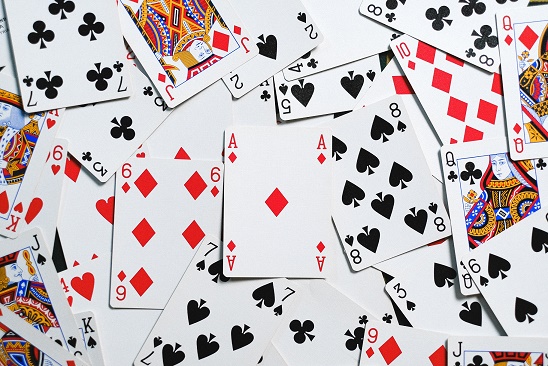
This risk-taking behavior can be explained by psychological theories such as the prospect theory, which suggests that individuals are more motivated by the fear of loss than the prospect of gain. Casinos design their environments to amplify this effect, utilizing bright lights, enticing sounds, and the thrill of close calls to enhance the player’s emotional experience. These elements create a sense of excitement and anticipation that can be overwhelmingly addictive.
The Role of Social Interaction
Social dynamics play a significant role in the psychology of casino gaming. Many people are drawn to the social aspects of gambling, as it often serves as a communal activity that allows for shared experiences. Whether it’s cheering on a friend at a blackjack table or participating in a poker game, the interactions can enhance the enjoyment and encourage players to gamble more. This social engagement can create a sense of belonging, making the gaming experience more appealing.
Moreover, casinos often establish environments that promote socialization, with open seating arrangements and communal games that encourage conversation and camaraderie. The social aspect can also lead to greater risks, as peer influence may push individuals to gamble more than they initially intended, driven by the desire to fit in or impress others.
Cognitive Biases and Misconceptions
The psychology of gambling is rife with cognitive biases that can lead players to make irrational decisions. For example, the illusion of control is a common cognitive bias that suggests individuals can influence the outcome of games of chance. Many gamblers believe that certain strategies can boost their odds or that they can ‘feel’ when luck is on their side. This misconception can lead to repeated gambling and increased monetary loss, as players chase after elusive wins.
Another prevalent bias is the availability heuristic, where players remember their wins more vividly than their losses, often distorting their perception of overall odds. This cognitive distortion can perpetuate the gambling cycle, as individuals become overly optimistic about their chances of winning, leading them to gamble more than they should.
The Impact of Marketing and Design
Casino environments are meticulously designed to maximize engagement and prolong play. The strategic use of color, light, and sound creates an immersive experience that can alter players’ perceptions of time and money. For instance, the absence of clocks and windows helps maintain the illusion of time, leading players to spend longer at the tables without being aware of their gambling duration.
Additionally, casinos often use enticing promotions and rewards programs to entice players to gamble more. These marketing strategies exploit psychological triggers, such as creating a sense of exclusivity or scarcity, which can further encourage individuals to participate in gaming activities. By positioning themselves as places of excitement and potential fortune, casinos tap into the desires of players, making gambling an alluring activity.

Conclusion: A Resource for Understanding Casino Gaming
Understanding the psychology behind casino gaming is essential for both players and industry professionals. By exploring the various factors that drive individuals to gamble, such as risk, social interaction, cognitive biases, and marketing strategies, we can better navigate the complexities of this engaging yet potentially hazardous activity.
TheEmeraldCup.com is committed to providing insightful resources and information relevant to the world of gaming. Whether you’re a novice player or an experienced gambler, our goal is to enhance your understanding of the psychological influences at play in casino environments, helping you make informed decisions in your gaming journey.