Cultural perspectives on gambling Understanding beliefs and practices across the globe
The Historical Context of Gambling
The roots of gambling can be traced back to ancient civilizations, where games of chance were often intertwined with religious practices and community rituals. In ancient China, for example, evidence suggests that gambling activities were prevalent as far back as 2300 BCE, using rudimentary dice made from animal bones. In many cultures, these early forms of gambling were seen as a way to communicate with the divine, often linked to fortune-telling and predicting outcomes. Today, you can experience this evolution firsthand at online payid casinos that celebrate centuries of gaming history.
Over the centuries, gambling evolved alongside societal changes. In medieval Europe, betting became a popular pastime among the nobility, while in the Americas, indigenous tribes engaged in games that would later influence modern gambling. As societies grew more structured, gambling began to be regulated, reflecting the tension between societal norms and individual freedoms.
Cultural Attitudes Toward Gambling
Cultural attitudes toward gambling vary widely across the globe, often shaped by historical, religious, and social factors. In countries like Japan, gambling is largely viewed with suspicion, primarily due to its association with organized crime and social issues. Conversely, nations such as Australia embrace gambling as a legitimate form of entertainment, fostering a vibrant casino industry that attracts both locals and tourists.
Religious beliefs also play a significant role in shaping these attitudes. In predominantly Muslim countries, gambling is generally prohibited, viewed as haram or sinful. In contrast, Christian-majority nations might adopt a more lenient stance, reflecting the complex relationship between faith and leisure activities.
Modern Practices in Gambling
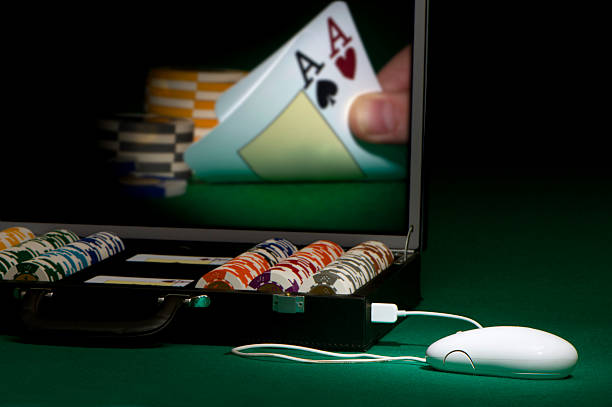
The modern gambling landscape is marked by rapid technological advancements, leading to the rise of online casinos and mobile gaming. This evolution has made gambling more accessible, allowing players from various cultural backgrounds to engage with games in a manner that suits their preferences. The globalization of gambling means that cultural practices are often blended, leading to unique hybrids that can appeal to a diverse audience.
In many regions, gambling is now seen as a mainstream leisure activity. Responsible gambling initiatives have emerged, emphasizing the importance of moderation and player protection, reflecting a cultural shift toward more conscious engagement with gambling practices.
The Role of Casinos in Society
Casinos are not just venues for gambling; they often serve as social hubs that foster community interaction. In cities like Las Vegas and Macau, casinos contribute significantly to the local economy, providing jobs and attracting millions of tourists each year. They embody a fusion of entertainment, hospitality, and leisure, creating spaces where people from various backgrounds come together to enjoy games and attractions.
However, the impact of casinos is not universally positive. Concerns surrounding addiction, financial loss, and the social implications of gambling have prompted discussions about the responsibility of casino operators. Many now implement measures to promote responsible gaming and to provide support for those who may be struggling with gambling-related issues.

Exploring Gambling Across Cultures
Understanding the diverse cultural perspectives on gambling enriches our appreciation of this complex activity. From the historical practices of ancient civilizations to the modern innovations of online gaming, the evolution of gambling reflects broader societal changes. By examining these varied cultural lenses, one can see how gambling continues to shape and be shaped by human experience.
As we navigate these global perspectives, it becomes clear that gambling is not merely a game of chance; it represents a rich tapestry of beliefs, values, and communal interactions that resonate across generations and geographies.